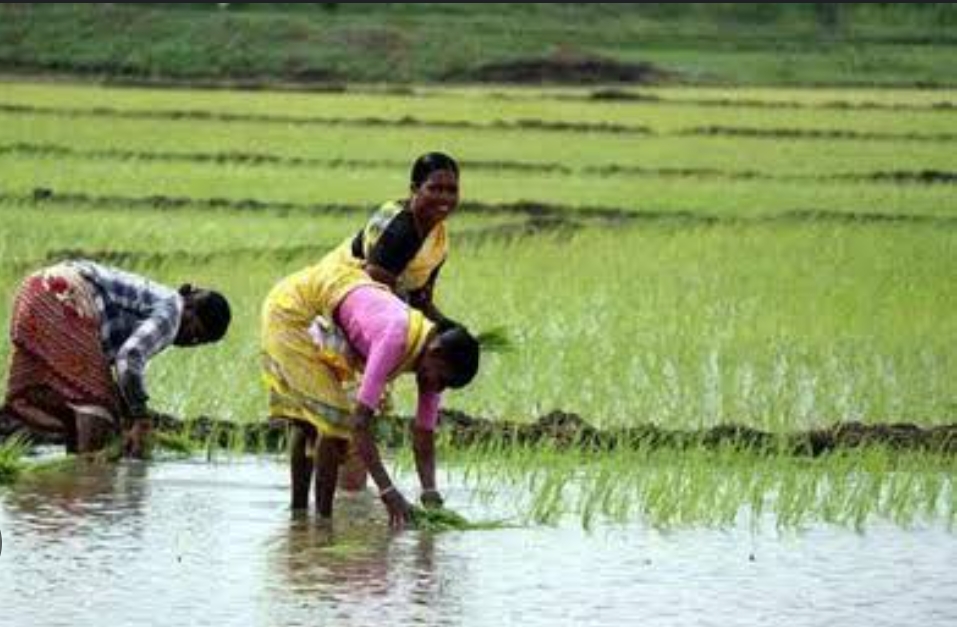
The life of a farmer can vary depending on various factors such as the type of farming they are engaged in, the size of their operation, and their location. However, here’s a general overview of the life of a farmer:
- Daily Routine: Farmers typically have a structured daily routine. They wake up early in the morning, often before sunrise, to start their day. The tasks they perform may include feeding livestock, milking cows, tending to crops, repairing equipment, and managing farm operations.
- Seasonal Variations: Farming activities are heavily influenced by the seasons. Different seasons require different tasks. For example, spring may involve preparing the soil, planting seeds, and tending to young crops. Summer often involves irrigation, pest control, and regular maintenance. In autumn, farmers may harvest their crops, while winter can be a period of planning and preparation for the upcoming year.
- Physical Demands: Farming is physically demanding work. Farmers often engage in manual labor, including lifting heavy objects, operating machinery, and working outdoors in various weather conditions. They need to be physically fit and capable of handling the demands of the job.
- Agricultural Knowledge: Farmers need to possess a solid understanding of agronomy, animal husbandry, soil science, and other aspects of agriculture. They need to stay updated on the latest farming techniques, technologies, and market trends to make informed decisions.
- Financial Management: Farmers need to manage their finances effectively to ensure the viability of their operations. They must budget for equipment purchases, seeds, fertilizers, livestock feed, and other supplies. They also need to navigate fluctuating market prices and manage the sale of their produce or livestock.
- Weather Challenges: Farmers are at the mercy of weather conditions, which can significantly impact their livelihoods. They need to adapt to changing weather patterns, deal with droughts, floods, storms, and other natural phenomena. Unfavorable weather can lead to crop failures, livestock health issues, and financial losses.
- Work-Life Balance: Farming is often a full-time commitment, and many farmers work long hours, including weekends and holidays. Finding a work-life balance can be challenging due to the demanding nature of the job. Family members often play a crucial role in supporting the farm operations.
- Sense of Connection to the Land: Despite the challenges, many farmers have a deep sense of connection to the land they cultivate. They take pride in producing food and contributing to their community’s well-being. Many find fulfillment in working with nature and witnessing the fruits of their labor.
It’s important to note that farming practices and experiences can vary widely across different regions and cultures. The life of a farmer can be rewarding, but it requires dedication, hard work, and a love for the land.
 Blackjack